
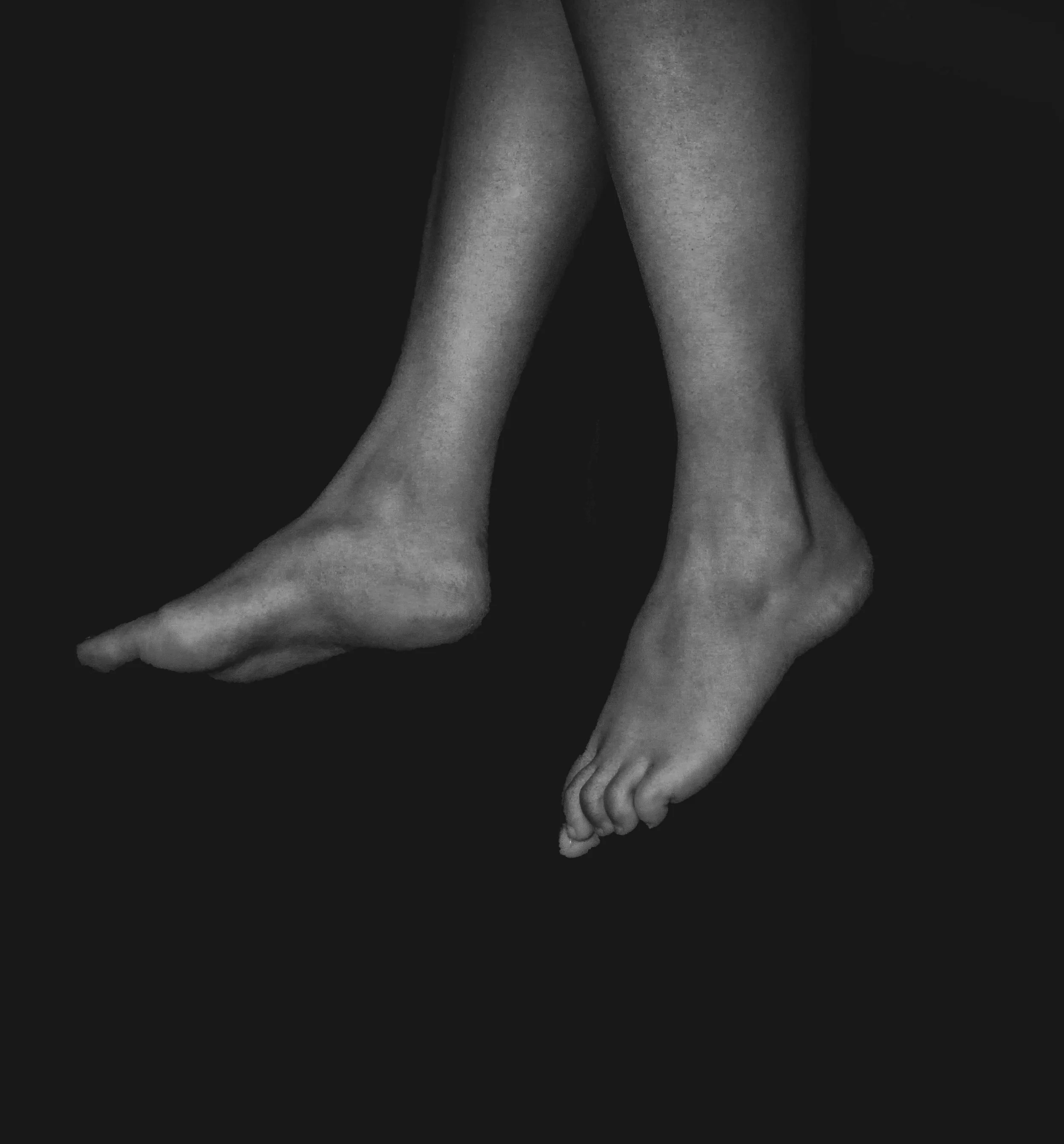
Why Active Adults Should Consider Custom Orthotics to Prevent Overuse Injuries
Staying active in your 40s, 50s, 60s and beyond is one of the best investments you can make in your long-term health. Whether you’re a regular walker, a committed runner, a keen cyclist or a weekend golfer, keeping moving supports your heart, joints, strength and mental wellbeing.
But as we age, our bodies change — and so do our feet.
If you’ve started noticing persistent foot pain, plantar fasciitis, shin splints, knee discomfort, or recurring “niggles” that just won’t settle, custom orthotics could be the missing piece in your injury prevention strategy.
Why Foot Stability Matters More After 40
Your feet are your foundation. Every step, stride, pedal stroke or swing starts from the ground up.
From the age of 40 onwards:
The fat pads under the feet naturally thin
Ligaments lose elasticity
Muscles weaken slightly
Previous injuries can alter your biomechanics
Arthritis and joint stiffness may begin to develop
Even small changes in foot alignment can lead to overuse injuries higher up the chain — affecting the ankles, knees, hips and lower back.
When your foot rolls in too much (overpronation) or doesn’t absorb load effectively, the body compensates. Over thousands of steps or repetitions, that compensation turns into inflammation and pain.
What Are Custom Orthotics?
Custom orthotics are prescription insoles designed specifically for your foot shape, biomechanics and activity level.
Using our advanced Gait and Motion foot scanning technology, we can:
Analyse your walking or running pattern
Assess pressure distribution across your feet
Identify instability or asymmetry
Digitally design orthotics tailored to your needs
Produce precision 3D printed orthotics
Unlike off-the-shelf insoles, custom orthotics are built around your foot mechanics — not a generic template.
How Custom Orthotics Help Active Walkers, Runners, Cyclists & Golfers
1. Improved Foot Stability
Custom orthotics help stabilise the foot by:
Supporting the arch appropriately
Controlling excessive pronation
Reducing unwanted movement at the heel
Improving alignment through the ankle and knee
This stability reduces strain on soft tissues like the plantar fascia, Achilles tendon and tibialis posterior.
2. Reduced Risk of Overuse Injuries
Active adults commonly present with:
Knee pain (especially medial knee pain)
These are often not caused by one single event — but by repetitive loading with suboptimal biomechanics.
By improving load distribution and alignment, custom orthotics help reduce cumulative stress on tissues, lowering the risk of flare-ups and recurrent injuries.
3. Enhanced Comfort During Activity
If you’re walking 5–10km regularly, training for events, playing 18 holes of golf, or cycling long distances, comfort matters.
Orthotics can:
Redistribute pressure away from sore areas
Reduce fatigue in the feet
Improve shock absorption
Make longer sessions more manageable
Many active people say they didn’t realise how much their feet were working until they experienced proper support.
4. Performance Through Efficiency
While orthotics aren’t a “performance hack,” better alignment can improve mechanical efficiency.
For runners and walkers:
A more stable foot can improve stride consistency.
For cyclists:
Stable foot positioning improves power transfer through the pedal.
For golfers:
A stable base enhances balance and rotational control during the swing.
Small improvements in stability can have meaningful effects over time.
Why 3D Printed Orthotics Make a Difference
Traditional orthotics are often made from plaster casts or foam impressions. Modern 3D scanning technology offers:
Greater precision
More accurate correction
Lightweight materials
Faster turnaround
Digital adjustments if needed
Using Gait and Motion scanning technology, we assess your movement dynamically — not just your foot shape at rest. That means your orthotics are designed around how you actually move, not just how your foot looks.
Signs You Might Benefit from Custom Orthotics
You may benefit if you:
Have recurring foot or heel pain
Frequently experience shin splints or calf tightness
Develop knee pain during longer walks or runs
Notice one shoe wearing out faster than the other
Feel unstable or fatigued during activity
Have increased your training volume recently
Are returning to sport after a period of inactivity
Even without severe pain, orthotics can be a proactive step in injury prevention — particularly for active adults who want to stay consistent.
Prevention Is Easier Than Rehabilitation
One of the most important messages for active adults is this:
It’s easier to prevent overuse injuries than to recover from them.
As recovery slows slightly with age, recurring injuries can interrupt training and enjoyment. Supporting your biomechanics early can:
Reduce time off activity
Minimise reliance on pain relief
Protect joints long term
Keep you doing what you love
Take Control of Your Foot Health
If you’re an active walker, runner, cyclist or golfer and want to:
Improve foot stability
Prevent overuse injuries
Reduce recurring pain
Stay active for years to come
A custom orthotics assessment using advanced Gait and Motion foot scanning could be an excellent next step.
Your feet are your foundation. Support them properly — and the rest of your body will thank you.